Ang Pamana ng Negosyo: What Our Elders Taught Us
Every Undas, we go back to where it all started. We light candles, clean the puntod, bring flowers, and sit with family we sometimes only see once a year. Somewhere between the kwentuhan and the baon, someone always says, “Naaalala mo pa si Lolo?”
And the stories begin.
For many of us, those stories are negosyo stories. The lola who sold kakanin before sunrise. The tatay who ran a small sari-sari store and knew every suki by name. The tito who started with one jeep and somehow put all his kids through school. They didn’t have business plans or pitch decks. Pero may diskarte sila. And more than that, may prinsipyo.
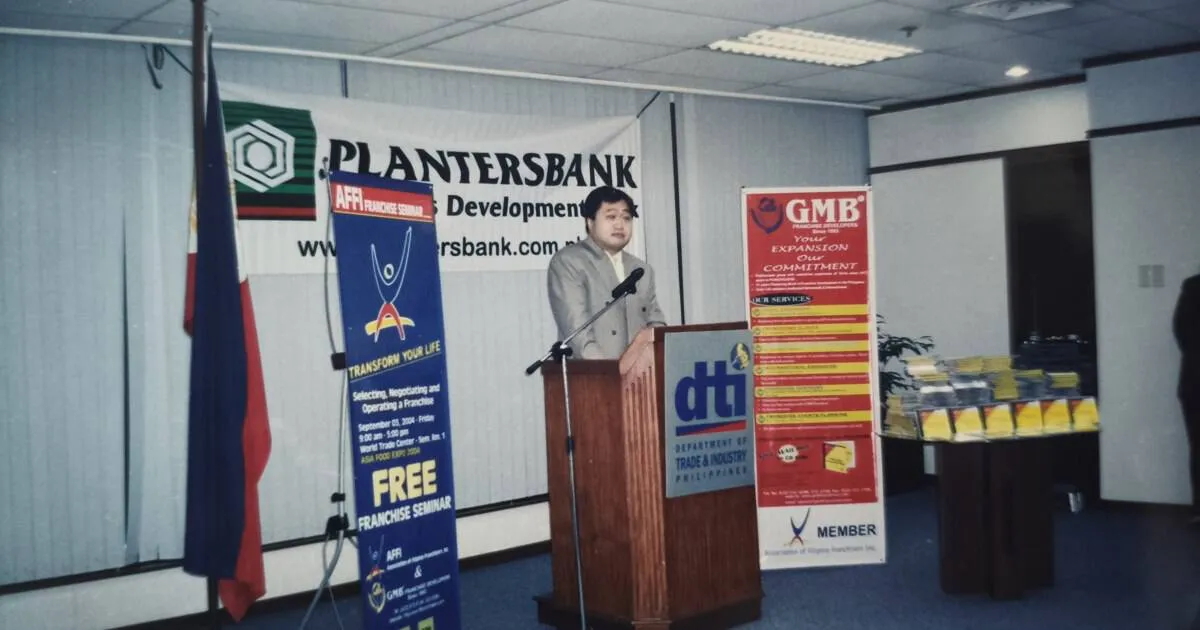
After 35 years in business and helping more than 350 brands grow, I’ve noticed something: the lessons that last are rarely the ones from seminars. They are the ones we learned at the kitchen table.
Lesson 1: Ang pangalan mo ang puhunan mo.
Our elders understood reputation before anyone called it “branding.” If you promised to deliver on Friday, you delivered on Friday. If the product was not good, you did not sell it. Your name was your credit line. Today we have logos, websites and social media, but the principle is the same. Customers don’t stay because of your design. They stay because they trust you.
Lesson 2: Ipon muna bago yabang.
I remember older business owners who drove old cars even when they could afford new ones. Hindi dahil kuripot. They knew that cash in the business is oxygen. Many businesses today don’t fail because they lack sales. They fail because the owner took out the money before the business was ready. Our elders reinvested quietly, and that’s why their businesses survived bad years.
Lesson 3: Malasakit sa tao.
The best old-school owners treated their staff like extended family. They knew whose child was sick, who needed a vale, who deserved a chance. That malasakit created loyalty that no HR policy can buy. Systems are important, and I teach systems every day. But systems run by people who feel cared for always perform better.
Lesson 4: Ang negosyo ay para sa susunod na henerasyon.
This is the hardest one. Many of our elders built something good, but never prepared anyone to take over. When they passed, the business passed with them. Or worse, the family fought over it. I’ve seen this many times: magkakapatid na hindi na nag-uusap dahil sa negosyo ng magulang.
Building something that outlives us takes intention. It means writing down how things are done, not keeping everything in your head. It means teaching the next generation early, and letting them make small mistakes while you’re still around to guide them. It means having honest conversations about who will lead, who will own, and who will simply benefit. Mahirap pag-usapan, pero mas mahirap kung hindi.
This is actually one of the reasons I believe in systems and franchising. A good system captures what the founder knows so it doesn’t disappear. It turns “si Tatay lang ang nakakaalam” into something the whole team, and the next generation, can carry forward.
A quiet challenge this Undas
When you visit your loved ones this week, take a moment. Think about what they built and what they taught you. Then ask yourself an honest question: if I were gone tomorrow, what would happen to my business? Would it continue? Would my family know what to do? Would my team?
Hindi ito para matakot tayo. It’s to remind us that legacy is not something we leave by accident. We build it on purpose, one decision at a time.
Our elders gave us more than inheritance. They gave us examples. Ang tanong: what example are we leaving?
Ikaw, anong negosyo lesson ang natutunan mo sa magulang o lolo’t lola mo na dala-dala mo pa rin hanggang ngayon? Share it in the comments. I’d love to read your stories.